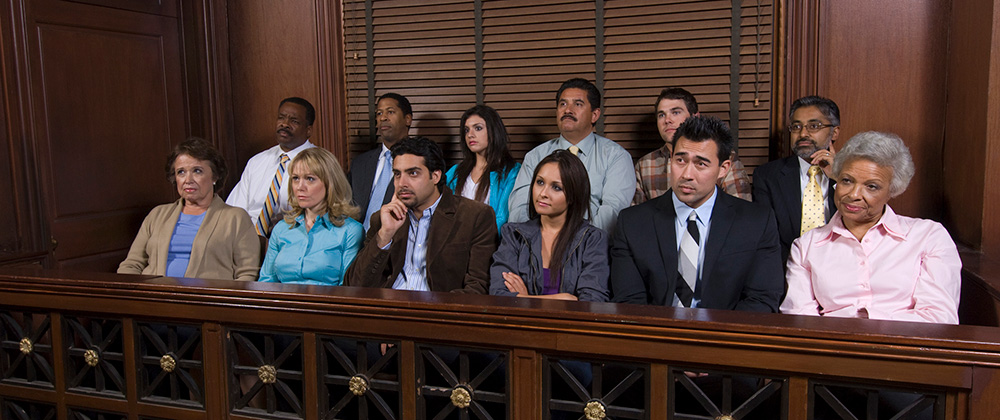
Most people believe jury trials are decided strictly on the evidence presented in the courtroom. While evidence is critical, seasoned criminal defense attorneys know that juror psychology plays a powerful and often decisive role in the outcome of a case. Jurors are human beings, not blank slates. They bring life experiences, assumptions, emotional reactions, and subconscious biases with them into the jury box. Understanding how jurors think—and how they make decisions—is a skill that experienced criminal lawyers quietly master over years of courtroom practice.
Behind every successful trial strategy is a deep understanding of how jurors perceive credibility, authority, emotion, and doubt. For defendants facing criminal charges, that insight can make the difference between conviction and acquittal.
Jury Selection Is Strategy, Not Guesswork
Jury selection, also known as voir dire, is the first and most critical opportunity to shape the outcome of a trial. To the untrained eye, it may look like a casual question-and-answer process. In reality, it is a carefully structured psychological exercise.
Experienced criminal lawyers listen closely not just to what potential jurors say, but how they say it. Tone, body language, hesitation, and facial expressions often reveal more than words. Attorneys are trained to identify individuals who may be overly deferential to authority, skeptical of law enforcement, emotionally reactive, or rigid in their beliefs. These traits can significantly influence how a juror evaluates testimony and evidence.
A skilled Fort Lauderdale criminal lawyer also understands that jurors rarely admit their true biases outright. People tend to see themselves as fair and objective, even when they are not. Effective voir dire is about creating space where those biases surface naturally, allowing the attorney to make informed decisions about which jurors should be seated and which should be excused.
How Jurors Judge Credibility
Jurors are constantly assessing the credibility of witnesses, police officers, experts, attorneys, and the defendant. Research consistently shows that credibility judgments are often made quickly and emotionally, then later justified with logic.
Jurors tend to trust witnesses who appear confident, consistent, and relatable. Conversely, they may doubt testimony that feels rehearsed, overly technical, or emotionally flat. This is why experienced trial attorneys carefully prepare witnesses to communicate clearly and authentically, not mechanically.
Criminal defense lawyers also know that jurors often give law enforcement witnesses an initial credibility advantage. Overcoming that presumption requires a strategic approach—highlighting inconsistencies, exposing procedural errors, and framing reasonable doubt in a way that feels logical rather than confrontational.
Storytelling and Decision-Making
Jurors do not analyze cases like judges or lawyers. They process information through stories. They want a narrative that makes sense from beginning to end. When facts feel disconnected or confusing, jurors fill in the gaps themselves, often in ways that hurt the defense.
Effective criminal trial attorneys build a clear, cohesive story that jurors can follow. That story must explain not only what happened, but why the prosecution’s version of events does not hold up under scrutiny. When jurors understand the defense narrative emotionally and intellectually, reasonable doubt becomes easier to grasp.
This is one reason trial experience matters so much. Attorneys who regularly appear before juries understand which arguments resonate and which ones fall flat. A Ft Lauderdale top criminal lawyer knows how to simplify complex legal concepts without oversimplifying the truth.
The Power of Subtle Influence
Contrary to popular belief, jurors are not “manipulated” in courtrooms. However, subtle influence plays a significant role in how information is received. Word choice, pacing, visual aids, and even courtroom demeanor all affect juror perception.
Experienced attorneys know when to press an issue and when to let silence do the work. They understand that jurors often distrust attorneys who appear overly aggressive or theatrical. Calm confidence, consistency, and respect for the jury’s intelligence go much further than dramatic tactics.
Why Experience Matters
Understanding juror psychology is not something learned from textbooks alone. It comes from years of observing real juries, real verdicts, and real human behavior. That experience allows a defense attorney to anticipate how jurors are likely to react and to adjust strategy in real time.
At Hassett & Associates, P.A., trial strategy is built on this deep understanding of human decision-making. Attorney Kenneth P. Hassett brings decades of courtroom experience to every case, carefully tailoring each defense to the facts, the law, and the jury who will ultimately decide the outcome.
Contact Hassett & Associates, P.A.
If you are facing criminal charges, the evidence alone does not determine your future—how that evidence is presented and perceived does. Having a Fort Lauderdale criminal lawyer who understands juror psychology can significantly impact the outcome of your case.
If you need the guidance of a Ft Lauderdale top criminal lawyer with real trial experience, contact Hassett & Associates, P.A. today to discuss your case and protect your rights. Call 954-791-3939.